
Understanding the Journey
When something feels unfamiliar, it can feel frightening. Clear, compassionate information brings steadiness. These are resources I trust and often share with families.
What Is Normal at the End of Life?
Many of the physical changes that occur near the end of life are natural parts of the body’s process.
While they can feel unfamiliar, they are often not uncomfortable when properly supported.
As the body begins to slow, you may notice gradual shifts in appetite, sleep, breathing, or awareness. These changes are often expected. When families understand what is typical, fear softens — and steadiness becomes possible.
Some educators describe entering and leaving this world as two forms of physical work. Just as birth is a natural process the body knows how to move through, the end of life is also a transition the body understands.
Understanding what is normal helps families remain present — rather than afraid.

“We go through labour to get into this world, and we go through labour to leave it.”
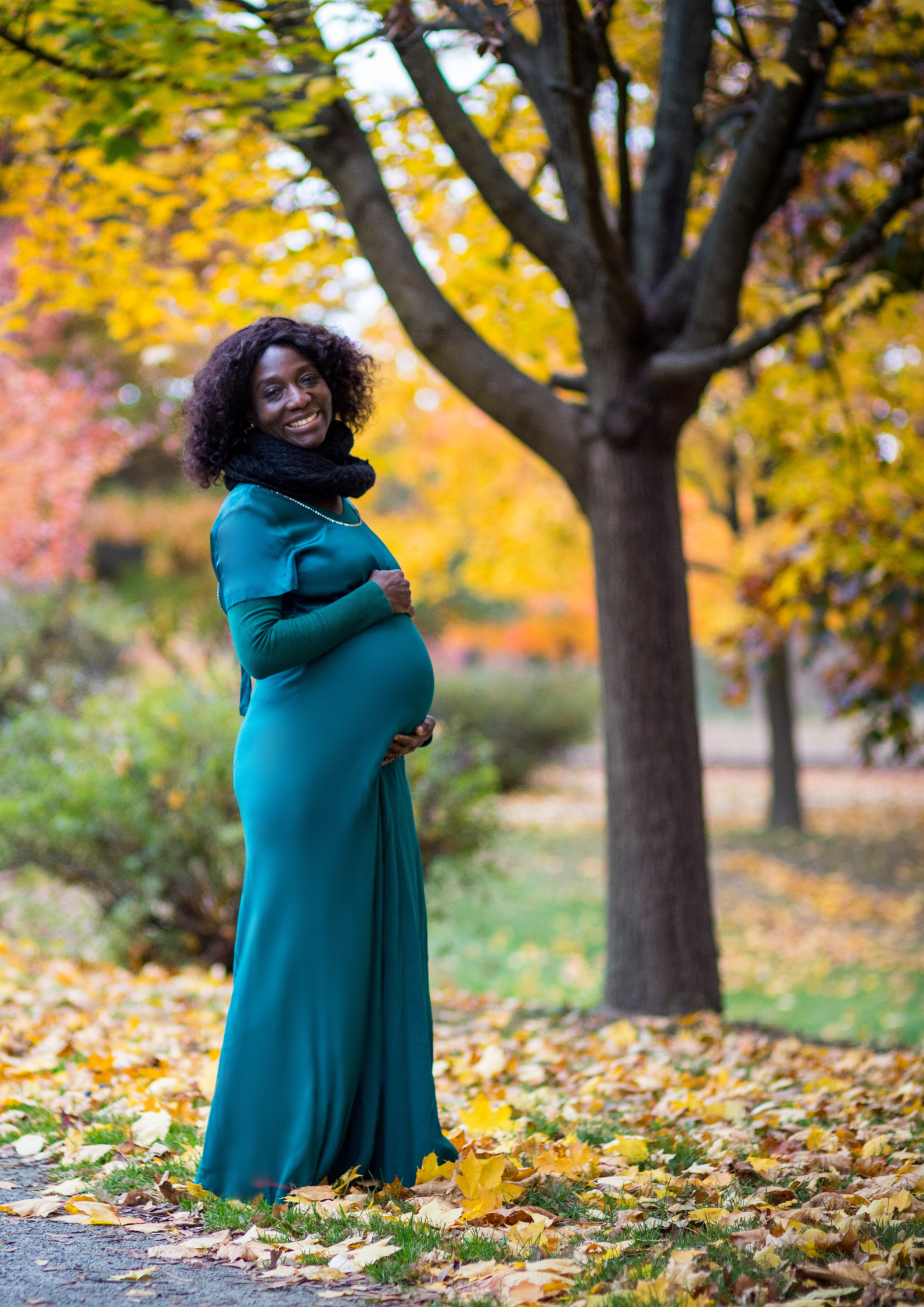
Photograph by Pierre Gallant
Common Questions
It’s natural to have questions during uncertain seasons. Many families aren’t sure what to expect — or even what to ask.
Here you’ll find answers to common questions about my role, how support works, and what this season may look like.
If you don’t see your question here, you are always welcome to reach out. No question is too small.
-
Nursing and doula support come from two different parts of my experience.
As a nurse, I bring clinical understanding — I can help explain what’s happening in the body and what changes to expect. As a doula, I focus on the emotional and family side of the journey — sitting in the quiet moments, helping with conversations, and making space for what matters most.
Both roles are rooted in the same intention: clarity, steadiness, and compassion.
-
No. I work alongside hospice and palliative care, not in place of them.
Medical teams provide essential clinical care. My role is to offer additional presence and guidance — especially in the spaces between visits — so you feel supported, informed, and less alone.
-
If you’re wondering whether it’s time, it probably is.
You don’t have to wait for a crisis. Many families reach out when things first start to feel uncertain — when diagnoses are new, when decisions feel heavy, or when you simply need clarity.
It is never too early to begin a conversation.
-
There is no “too early.”
Some families contact me months before active decline. Others reach out when things feel urgent.
Support can begin wherever you are in the process.
-
No two visits are the same.
Sometimes we review what physical changes you’re noticing. Sometimes we prepare questions for doctors. Sometimes we sit quietly and simply breathe.
My role is to respond to what the day asks for.
-
I support families in homes, hospice settings, and hospitals.
My goal is to meet you where you are — physically and emotionally.
-
Yes.
Virtual support can be especially helpful for families who live at a distance, need flexibility, or want ongoing guidance between visits.
Even through a screen, presence matters.
-
I serve families in Ontario and Quebec.
In Ontario, I offer both nursing and doula support.
In Quebec, I provide non-clinical doula support.Visits may take place in private homes, hospice settings, or hospitals, depending on your needs.
-
My regular in-home visits typically take place between 9:00 AM and 2:00 PM.
I also offer virtual support and phone consultations outside those hours when needed. Every situation is unique, and we can discuss what would feel most supportive for you.
-
Coverage varies depending on your plan.
Nursing services in Ontario may be eligible for reimbursement under some private insurance plans. Doula services are typically privately paid.
If you have questions about receipts or documentation, I’m happy to discuss that with you.
Trusted Resources
I often share the work of Barbara Karnes, RN — an internationally respected end-of-life educator whose guidance has helped families for decades. Her booklets gently explain the physical changes that happen as the body begins to slow down.
They offer clear, compassionate language for what can otherwise feel unfamiliar or frightening. When you understand what is normal, it becomes easier to breathe. Fear softens. You can return to simply being present.

As she writes, our presence helps take away the “ghosts of fear” we often carry into these sacred moments.
I believe that deeply. Knowledge is often the first step toward steadiness.

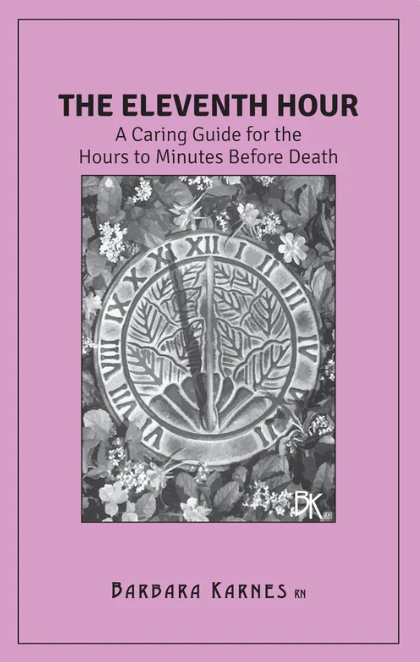
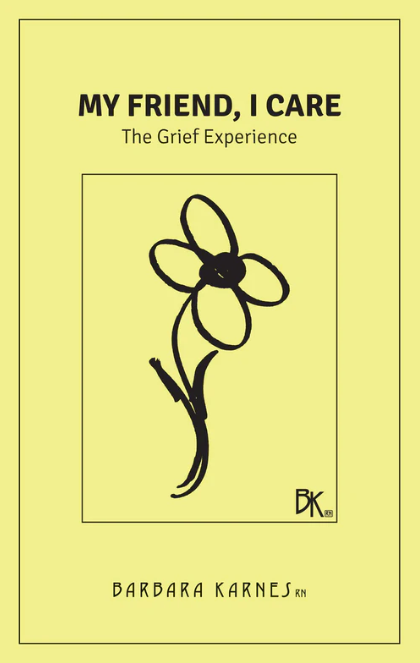
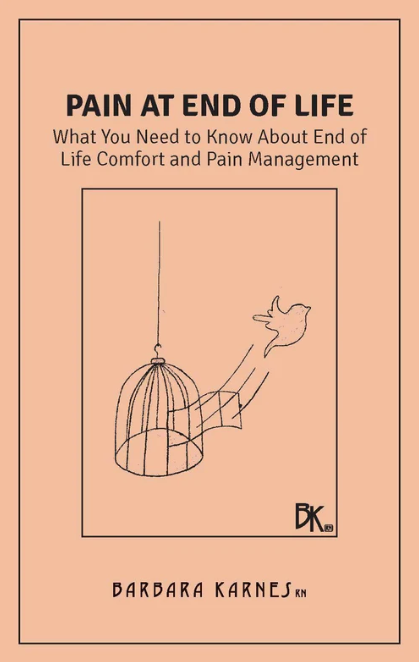
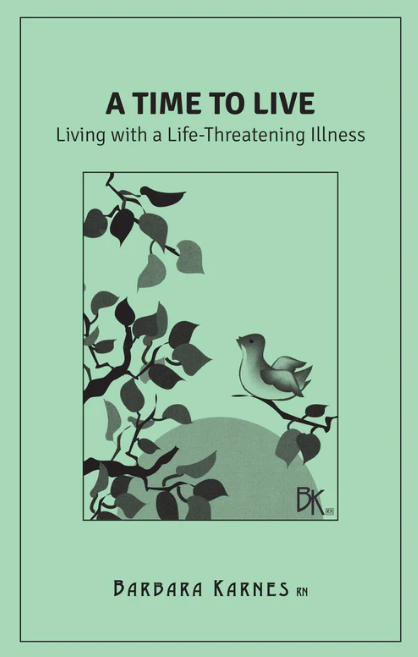
You don’t need to read them all. Often, one small booklet at the right moment is enough.
I do not receive commission from these materials. I share them simply because I trust their clarity and compassion.
Knowledge does not remove grief — but it can remove unnecessary fear.
If you would like to talk through what you’re seeing or experiencing, I am here.